Introduction: The Architecture of Trust in a Hyper-Digital Hub
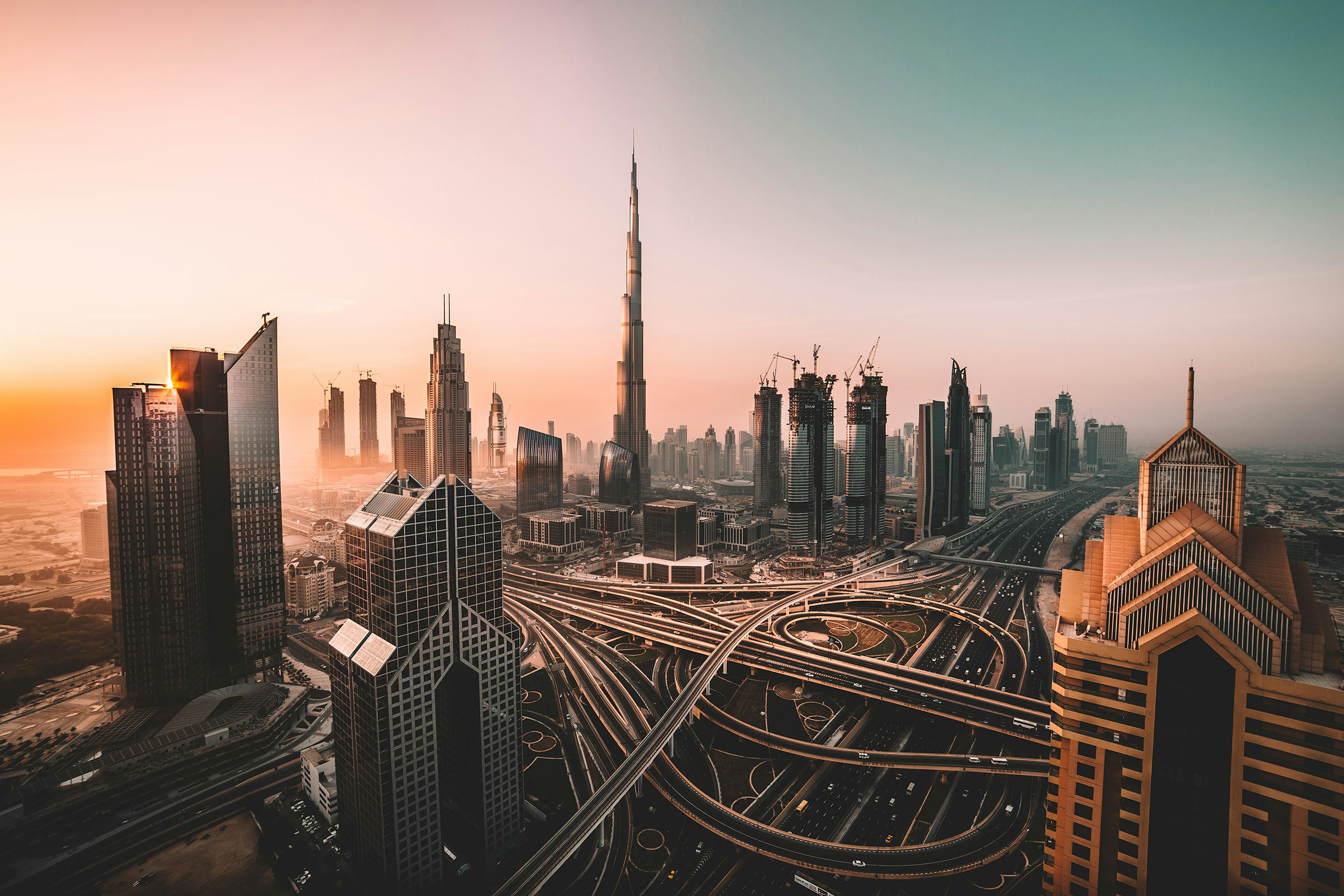
In 2026, Dubai stands as the undisputed digital capital of the Middle East and a primary node in the global economy. For a C-suite executive in the DIFC (Dubai International Financial Centre) or a government official at a Ministry, a website is far more than a marketing tool. It is a digital proxy for the company’s physical presence, ethical standing, and operational competence.
In a market defined by the “Dubai Vision”—a relentless pursuit of being the best and most technologically advanced—the threshold for “trust” is significantly higher than in Western markets. Here, trust is a composite of high-speed performance, absolute regulatory compliance, and a deep respect for local cultural norms. To win over a Dubai decision-maker, your website must function as a high-performance engine wrapped in a luxury exterior.
Part I: The Cultural Psychology of the Dubai Decision-Maker
To build a trustworthy website, one must first understand the person behind the screen. The Dubai decision-maker is often a “Global Local”—highly educated internationally, yet deeply rooted in the values of the GCC (Gulf Cooperation Council).
1. The Value of “Majlis” Culture in Digital Form
Middle Eastern business culture is historically built on the Majlis—a forum for discussion, hospitality, and relationship-building. A trustworthy website mimics this by being welcoming and accessible.
- Accessibility: Is there a human behind the site?
- Hospitality: Does the UX feel intuitive, or is it a barrier to information?
2. High-Context vs. Low-Context Communication
Arabic culture is “high-context,” meaning the relationship and the setting are as important as the contract itself. A website that is too “transactional” or “dry” can feel untrustworthy. Decision-makers look for the “Story” of the company—its history in the UAE, its leadership’s vision, and its commitment to the nation’s growth.
3. Visual Authority and “Prestige Bias”
In Dubai, aesthetics are a proxy for stability. A “minimalist” or “scrappy” startup look that might work in Silicon Valley often fails here. Trust is conveyed through “Visual Authority”—high-resolution original photography, sleek animations, and a polished, “expensive” feel. If you haven’t invested in your website, the assumption is that you haven’t invested in your service.
Part II: Regulatory Rigor and the Legal Pillars of Trust
In 2026, the UAE has some of the world’s most sophisticated data protection and cybersecurity laws. A website that ignores these is not just untrustworthy; it is a liability.
4. The UAE Data Protection Law (Federal Decree-Law No. 45 of 2021)
Decision-makers are acutely aware of data sovereignty. To earn trust, your website must:
- Explicitly State Data Residency: Show that you understand where user data is stored. If you use local clouds like Moro Hub or G42, highlight it.
- Bilingual Privacy Policy: A policy only in English suggests you are a “guest” in the market. A dual-language policy shows you are an “inhabitant.”
5. Cyber-Resilience as a Brand Trait
With the rise of sophisticated phishing and state-sponsored cyber-attacks globally, Dubai executives prioritize security.
- Extended Validation (EV) Certificates: While standard SSL is common, the “green bar” or company name in the URL remains a psychological trust trigger for older, high-level decision-makers.
- Third-Party Security Audits: Displaying seals from firms like KPMG, Deloitte, or local cybersecurity firms provides immediate peace of mind.
Part III: The Localization Spectrum (More Than Just Translation)
One of the biggest mistakes global firms make is “Carbon Copy” localization. Trust in Dubai is earned by demonstrating that you understand the specific nuances of the Emirates.
6. The “Right-to-Left” (RTL) UX Mastery
Arabic is not just a language; it’s a layout. A trustworthy site doesn’t just flip the text; it mirrors the entire user experience.
- Iconography: Icons should be checked for cultural relevance.
- Typography: Using high-end, modern Arabic typefaces (like Amiri or IBM Plex Arabic) instead of the default “system fonts” shows a level of care that professional decision-makers notice.
7. Imagery and Representation
The “Dubai Look” in 2026 is a blend of traditional heritage and futuristic ambition.
- The “Kandura” and “Abaya” Factor: If your site uses stock imagery of Westerners in a boardroom to represent a “local team,” you lose instant credibility.
- Landmarks: Featuring the Burj Khalifa is a cliché. Featuring the Museum of the Future, the DIFC Gate, or the Expo City structures shows you are current with the city’s evolving skyline.
Part IV: Technical Performance as a Proxy for Professionalism
In a city with 5G penetration nearing 100%, speed is not a luxury; it is a baseline expectation.
8. Core Web Vitals in the Desert
A Dubai decision-maker is usually time-poor and tech-savvy.
- LCP (Largest Contentful Paint): If your hero image takes more than 1.5 seconds to load on a mobile device in a moving car on Sheikh Zayed Road, you have failed.
- Zero-Jank UX: If buttons move while the page is loading, it feels “cheap.” Trust is built on stability.
9. Mobile-First, Mobile-Only
The majority of B2B research in Dubai happens on high-end smartphones (iPhone 17/18 Pro Max or the latest Samsung Fold). If your “Desktop” site is perfect but your “Mobile” site is a scaled-down afterthought, you will not be taken seriously by the C-suite.
Part V: Social Proof and the “Who’s Who” of Dubai
Dubai is a “reputation economy.” Word of mouth is digitized via the website.
10. Localized Portfolios
A decision-maker at DP World wants to see that you’ve worked with NEOM, ADNOC, or the Dubai Holding.
- The “Local Logo” Wall: Prioritize Middle Eastern clients over global ones.
- Video Testimonials: In a culture that values face-to-face interaction, a video testimonial from a recognized local figure carries 10x the weight of a written quote.
11. WhatsApp: The Ultimate Trust Bridge
In the West, “Live Chat” is a bot. In Dubai, “Live Chat” is WhatsApp. A website that offers a direct link to a dedicated account manager via WhatsApp signals that you are ready for the “always-on” nature of Dubai business.
Part VI: The Ethics of 2026 – ESG and AI Transparency
As we move deeper into the decade, “Trust” has expanded to include corporate responsibility.
12. Sustainability and COP Legacy
Since COP28, Dubai has pivoted heavily toward sustainability. A trustworthy website includes a clear, audited ESG (Environmental, Social, and Governance) section.
- The “Green” Cloud: Mentioning that your website is hosted on carbon-neutral servers is a subtle but powerful modern trust signal.
13. The AI Disclosure
With the UAE’s Minister of State for AI leading the charge, the region is highly AI-literate. If you use AI to generate content or handle customer service on your site, being transparent about it builds more trust than trying to “hide” the bot.
Part VII: Checkpoints for the “Trust Audit”
If you are evaluating a website for the Dubai market, use this weighted scoring system:
- Legal (20%): Does it cite UAE Data laws?
- Linguistic (20%): Is the Arabic native and the RTL layout perfect?
- Visual (20%): Does it look “Premium” and culturally aligned?
- Speed (15%): Does it load instantly on 5G?
- Social Proof (15%): Are there local UAE references and client logos?
- Accessibility (10%): Is there a local physical address and WhatsApp?
Conclusion: Trust is an Ongoing Investment
In Dubai, a website is never “finished.” To remain trustworthy to decision-makers, a site must be as dynamic as the city itself. It must reflect the latest laws, the latest technologies, and the latest cultural shifts.
By prioritizing Regulatory Rigor, Cultural Localization, and Technical Excellence, a brand can transform its website from a simple URL into a powerful engine for business growth in the world’s most exciting economic hub.