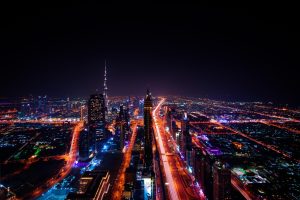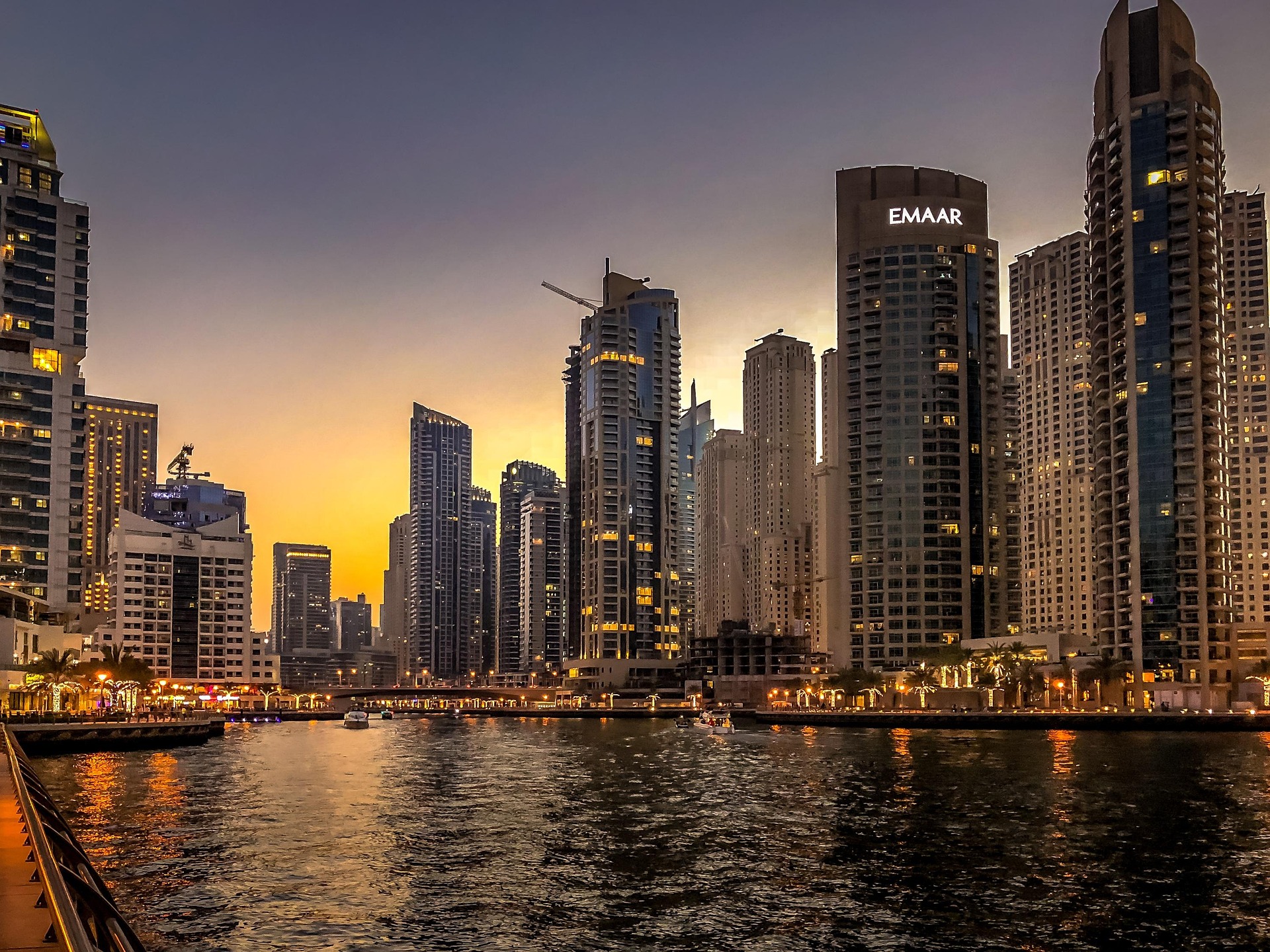
Dubai’s real estate and construction sectors are among the most competitive globally. With iconic skyscrapers, luxury properties, and massive infrastructure projects, businesses in this market face intense competition. Effective branding can differentiate companies, enhance credibility, and drive client engagement. This article explores how real estate, construction, and property service companies can leverage branding for growth.
What is Branding in Real Estate and Construction?
Branding refers to the strategic process of creating a distinct identity that communicates a company’s values, services, and reliability. In real estate and construction, branding does not only involve logos or colors but encompasses reputation, customer experience, and market positioning.
- Real estate companies: Branding builds trust with buyers and investors.
- Construction firms: Branding highlights expertise, quality, and safety standards.
- Property service providers: Branding emphasizes professionalism, responsiveness, and reliability.
A strong brand creates recognition, encourages loyalty, and often allows premium pricing.
Why Branding Matters in Dubai’s Real Estate Market
Dubai’s property sector attracts global investors and residents, making competition fierce. Branding helps companies stand out in multiple ways:
- Investor Confidence
Trusted brands attract foreign and domestic investment. For instance, Emaar Properties’ consistent branding conveys stability and luxury. - Customer Acquisition
Distinct branding helps attract clients in a market crowded with similar offerings. - Market Differentiation
Branding highlights unique selling points such as sustainable construction, smart home technologies, or exclusive locations. - Long-Term Value
Consistent branding increases company valuation and establishes market authority.
Core Elements of Effective Real Estate Branding
Branding in real estate, construction, and property services requires integrating multiple elements:
1. Visual Identity
Visual identity includes logos, color schemes, typography, and design patterns. These elements create recognition and convey professionalism.
- Example: Dubai Properties uses bold, modern designs to reflect innovation.
- Construction firms may adopt robust colors like grey or blue to communicate reliability and strength.
2. Brand Message and Positioning
A clear message communicates a company’s value proposition. For instance:
- “Luxury living with smart technology” targets high-end buyers.
- “Affordable, sustainable housing” appeals to first-time homeowners or socially conscious clients.
3. Reputation and Trust
Reputation is critical. Clients choose companies with proven track records and transparency. Online reviews, project portfolios, and case studies enhance trust.
- Example: Sobha Realty maintains trust through documented quality, safety certifications, and timely project delivery.
4. Digital Presence
In Dubai, digital branding drives engagement and visibility. Real estate firms leverage:
- Websites with virtual tours
- Social media campaigns
- SEO-optimized listings
- Online client testimonials
Branding Strategies for Construction Companies
Construction companies often face unique challenges, such as project delays or cost concerns. Branding can counter these by emphasizing reliability and expertise. Key strategies include:
- Showcase Past Projects
Highlight completed projects with images, statistics, and testimonials. - Highlight Technical Expertise
Promote certifications, engineering excellence, and innovative construction methods. - Corporate Social Responsibility (CSR)
Initiatives like sustainable construction or community development enhance brand image. - Partnership Branding
Collaborate with architects, developers, or technology providers to boost credibility.
Branding in Property Management and Services
Property management companies often operate in the background but require strong branding to attract clients and maintain retention. Key approaches:
- Professionalism and Responsiveness: Quick maintenance responses and transparent communication build reputation.
- Technology Integration: Apps for maintenance requests or rent collection modernize branding.
- Consistent Service Standards: Reliable service enhances word-of-mouth marketing.
Example: Better Homes, a Dubai-based property service provider, emphasizes digital tools, responsive communication, and consistent service delivery to strengthen its brand.
Digital Marketing and Branding Integration
Branding and digital marketing are inseparable in Dubai’s property market. Strategies include:
- Search Engine Optimization (SEO)
Optimized content ensures visibility on Google for terms like “luxury Dubai apartments” or “property management Dubai.” - Content Marketing
Blogs, newsletters, and guides educate clients and reinforce expertise. - Social Media Branding
Instagram and LinkedIn showcase property listings, projects, and client success stories. - Paid Advertising
Targeted ads increase brand awareness among investors, tenants, and buyers.
Digital integration strengthens credibility and positions companies as industry leaders.
Importance of Storytelling in Branding
Effective branding goes beyond visuals or services; it tells a story. Companies should communicate:
- Company history and milestones
- Sustainability and innovation efforts
- Community engagement and client success stories
Example: DAMAC Properties emphasizes luxury, lifestyle, and international appeal, creating emotional engagement with clients.
Branding Challenges in Dubai’s Real Estate Sector
Even with effective branding, companies face challenges:
- High Competition: Over 150 registered developers and hundreds of service companies compete for the same clients.
- Market Volatility: Property prices fluctuate, affecting brand perception.
- Cultural Diversity: Branding must appeal to a multicultural client base while respecting local norms.
- Digital Saturation: High online activity requires distinctive branding strategies to stand out.
Overcoming these challenges requires innovative branding, clear messaging, and consistent digital presence.
Metrics to Measure Branding Success
To assess the effectiveness of branding, companies can track:
| Metric | Purpose | Example |
| Brand Awareness | Measures recognition | Social media impressions |
| Customer Loyalty | Measures repeat clients | Percentage of returning tenants |
| Online Engagement | Measures interaction | Click-through rates, shares |
| Reputation Score | Measures trust | Reviews on Google or Bayut |
| Lead Conversion | Measures impact on sales | Inquiries to closed deals |
Regular evaluation allows adjustment of strategies for maximum impact.
Future of Branding in Dubai Real Estate and Construction
The Dubai market is evolving rapidly. Key trends influencing branding:
- Sustainability Branding: Eco-friendly materials and energy-efficient designs attract conscious investors.
- Technology Branding: Smart homes, AI property management, and VR tours enhance modern appeal.
- Luxury and Lifestyle Branding: Personalized experiences and exclusive properties remain critical.
- Global Outreach: Dubai’s international clientele requires multilingual, culturally sensitive branding.
Companies that adapt branding strategies to these trends gain a competitive edge.
Practical Steps to Build a Strong Brand
- Define Target Audience: Identify investors, tenants, or luxury buyers.
- Develop a Unique Value Proposition: Focus on differentiators like innovation, luxury, or reliability.
- Create a Consistent Visual and Verbal Identity: Ensure logos, fonts, and messaging align across channels.
- Leverage Digital Channels: SEO, social media, email marketing, and content blogs.
- Gather Feedback and Refine: Client surveys and online reviews inform brand improvement.
- Showcase Projects and Testimonials: Visual proof builds credibility.
Branding in Dubai’s real estate, construction, and property services is no longer optional. With the right strategy, companies enhance visibility, attract clients, and increase valuation. Strategic branding integrates visual identity, storytelling, digital marketing, and reputation management to create long-term market authority. The next phase involves leveraging emerging trends like smart technologies, sustainability, and global reach to stay competitive.