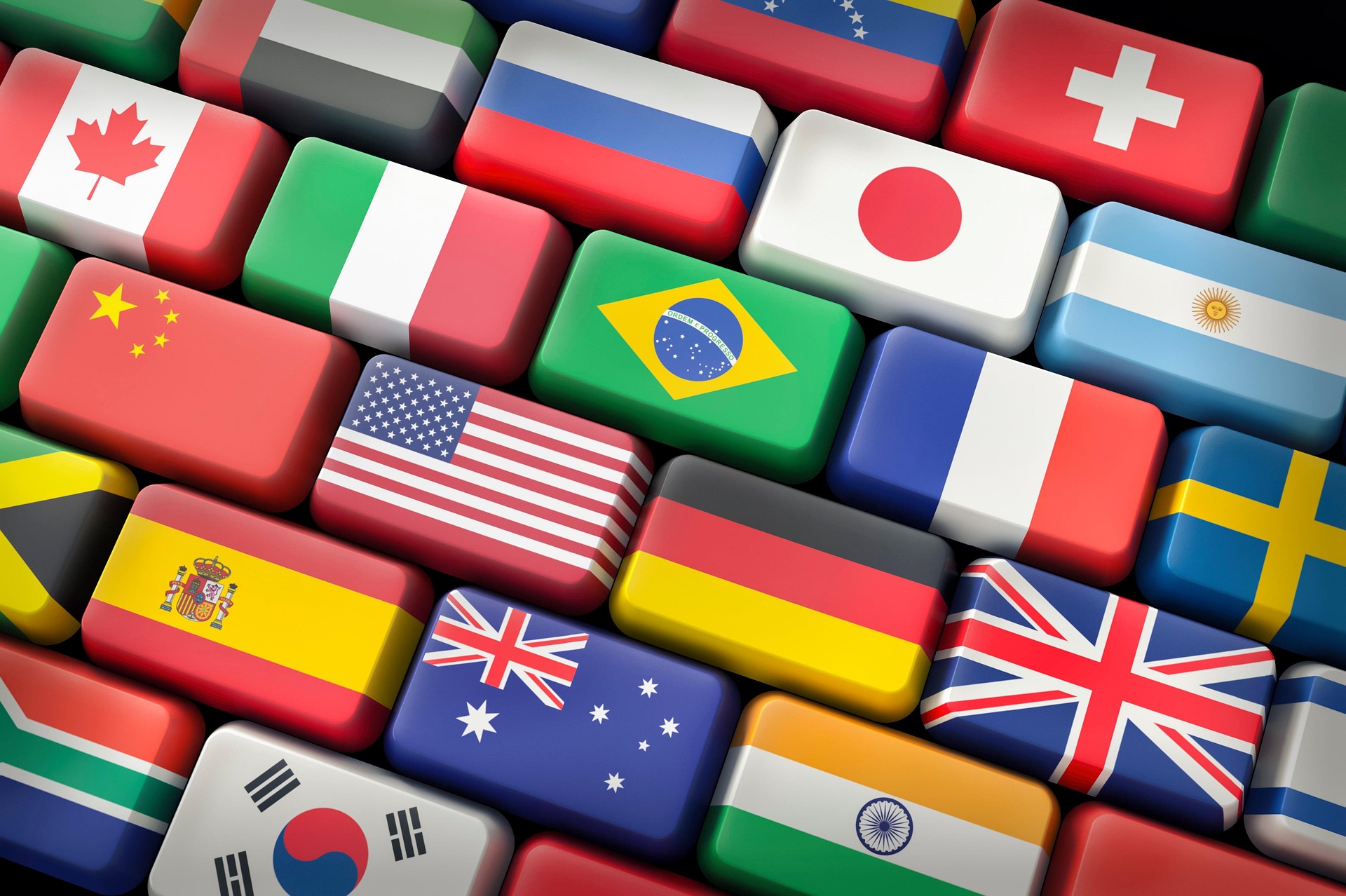
Dubai is one of the world’s most international cities. With residents, entrepreneurs, tourists, and investors from every corner of the globe, businesses operating in Dubai must communicate effectively across languages, cultures, and expectations.
A website that only serves one language often misses a significant portion of the market.
Whether you run a real estate agency, healthcare clinic, law firm, eCommerce store, hospitality brand, or corporate enterprise, multilingual web design is no longer optional in Dubai—it is essential.
However, creating a multilingual website involves far more than simply translating text. It requires strategic planning, cultural adaptation, technical precision, and user-centered design.
A poorly executed multilingual website can confuse visitors, damage trust, and hurt search engine rankings. A well-designed one can dramatically expand your reach, improve user experience, and increase conversions.
This comprehensive guide explores how to design websites for multilingual audiences in Dubai, covering strategy, UX, SEO, technical implementation, and best practices.
Why Multilingual Websites Matter in Dubai
Dubai’s population is uniquely diverse.
The city is home to people from over 200 nationalities, creating one of the world’s most multicultural consumer markets.
Commonly spoken languages include:
- English
- Arabic
- Hindi
- Urdu
- Russian
- Chinese
- French
- Tagalog
- Malayalam
Although English is widely used in business, many consumers prefer browsing, researching, and purchasing in their native language.
Providing multilingual access creates immediate advantages:
- Higher trust
- Better engagement
- Improved conversion rates
- Stronger brand perception
- Increased accessibility
- Wider market reach
In Dubai, language personalization directly impacts business growth.
Understanding Dubai’s Core Language Priorities
Not every business needs ten language versions.
Most Dubai companies should prioritize:
Essential Languages
- English
- Arabic
Optional Based on Audience
- Russian
- Hindi
- Urdu
- Chinese
- French
Start with the languages most relevant to your target customers.
A luxury real estate agency may prioritize Russian and Chinese, while a healthcare provider may benefit more from Hindi and Urdu.
Translation vs Localization
Translation converts words.
Localization adapts experiences.
This distinction is critical.
For example, localization considers:
- Cultural references
- Currency preferences
- Date formats
- Visual expectations
- Tone of voice
- User behavior
A successful Dubai website must localize, not merely translate.
Choosing the Right Multilingual Architecture
There are three common approaches.
Subdirectories (Recommended)
/en/
/ar/
/ru/
Benefits:
- Strong SEO
- Easy management
- Consolidated domain authority
Subdomains
en.example.com
ar.example.com
Useful for larger organizations.
Separate Domains
example.ae
example.ru
Typically unnecessary for most Dubai businesses.
Subdirectories offer the best balance.
Language Selection Best Practices
Your language switcher should be:
- Highly visible
- Easy to use
- Available on every page
- Located in the header
- Written in native script
Good examples:
- English
- العربية
- Русский
Avoid using flags alone.
Languages are not countries.
Supporting Right-to-Left (RTL) Design
Arabic requires RTL formatting.
This is one of the most important technical considerations.
RTL impacts:
- Navigation alignment
- Text flow
- Form fields
- Icons
- Layout direction
- Sliders and carousels
Your design system must fully support both LTR and RTL layouts.
Anything less appears unprofessional.
Typography for Multilingual Websites
Fonts must support all target languages.
Recommended font families include:
- Noto Sans
- Cairo
- IBM Plex Sans Arabic
- Tajawal
- Inter (for Latin scripts)
Ensure readability across:
- Desktop
- Mobile
- Tablets
Typography consistency enhances brand identity.
Cultural Design Considerations
Different audiences respond differently to design elements.
For example:
- Arabic users often prefer detailed information.
- Western audiences often favor minimalist layouts.
- Asian users may appreciate trust badges and specifications.
Dubai’s multicultural environment requires balanced design that appeals broadly.
Navigation Structure for Multiple Languages
Maintain consistent architecture across all language versions.
For example:
English: Services
Arabic: الخدمات
Russian: Услуги
Consistency improves usability and simplifies maintenance.
Content Prioritization
Not all content must be translated equally.
Prioritize:
- Homepage
- Service pages
- Product pages
- Contact information
- Legal pages
- Booking flows
Secondary content like blog archives can follow later.
SEO for Multilingual Dubai Websites
Multilingual SEO is essential.
Without proper implementation, search engines may struggle.
Key Requirements
- Hreflang tags
- Unique URLs
- Localized metadata
- Language-specific sitemaps
- Proper canonical tags
These signals help search engines serve the correct version.
Hreflang Implementation
Hreflang tells Google which language version to display.
Example:
<link rel=”alternate” hreflang=”en-ae” href=”https://example.com/en/” />
<link rel=”alternate” hreflang=”ar-ae” href=”https://example.com/ar/” />
Proper hreflang implementation prevents duplicate content issues.
Keyword Research by Language
Direct translations rarely match actual search behavior.
For example, Arabic users may search differently than English users.
Conduct separate keyword research for each language.
Dubai’s multilingual SEO requires local market understanding.
Arabic UX Considerations
Arabic-speaking users expect:
- Fluent native copy
- Proper RTL layout
- Culturally relevant visuals
- Local payment methods
- Familiar terminology
Machine translation is immediately noticeable—and damaging.
Professional human translation is mandatory.
Content Management Systems
Choose a CMS that handles multilingual content effectively.
Excellent options include:
- WordPress with WPML
- Webflow Localization
- Shopify Markets
- Drupal
- Headless CMS solutions
Scalability matters.
Designing for Mobile Multilingual Users
Dubai is highly mobile-first.
Your multilingual experience must perform flawlessly on smartphones.
Key considerations:
- RTL mobile layouts
- Touch-friendly language switchers
- Fast font loading
- Localized keyboards
- Optimized forms
Mobile testing is non-negotiable.
Forms and Lead Generation
Forms must adapt to language preferences.
This includes:
- Field labels
- Validation messages
- Placeholder text
- Error notifications
- Confirmation screens
A broken Arabic form can destroy conversions.
Visual Content Localization
Images communicate culture instantly.
Use visuals that resonate across Dubai’s diverse audience.
Best practices:
- Inclusive representation
- Regionally relevant settings
- Culturally appropriate attire
- Universal symbolism
Authenticity matters.
Customer Support Integration
Multilingual support should extend beyond content.
Offer:
- Language-specific WhatsApp options
- Local phone numbers
- Native-speaking representatives
- Multilingual chat support
User confidence increases dramatically.
Performance Optimization
Multilingual websites often become slower.
Prevent this by:
- Loading fonts selectively
- Caching language versions
- Compressing assets
- Lazy loading images
- Using a CDN
Speed remains critical in Dubai.
Avoid Automatic Translation Plugins
Auto-translation tools often create:
- Awkward phrasing
- Cultural mistakes
- SEO problems
- Reduced trust
Professional translation is always superior.
Your brand deserves better than robotic copy.
Legal and Compliance Considerations
Dubai businesses must ensure:
- Accurate legal translations
- Local regulatory compliance
- Privacy policy localization
- Terms and conditions adaptation
Legal clarity protects both business and users.
Personalization by Language
Advanced multilingual websites can personalize:
- Testimonials
- Offers
- Case studies
- Currency
- Contact information
Localized personalization boosts engagement significantly.
Industry-Specific Language Priorities
Real Estate
- English
- Arabic
- Russian
- Chinese
Healthcare
- English
- Arabic
- Hindi
- Urdu
Hospitality
- English
- Arabic
- Russian
- Chinese
- French
Education
- English
- Arabic
- Hindi
Choose strategically.
Common Multilingual Design Mistakes
Avoid these pitfalls:
- Poor Arabic alignment
- Inconsistent translations
- Broken layouts
- Missing hreflang tags
- Flag-only selectors
- Duplicate content
- Slow page speeds
- Machine-translated copy
These errors damage credibility instantly.
Website Structure Example
/
├── /en/
├── /ar/
├── /ru/
└── /zh/
Each language should mirror the same core architecture.
Testing Multilingual Websites
Comprehensive testing is essential.
Review:
- Layout consistency
- Translation accuracy
- Mobile responsiveness
- Form functionality
- SEO implementation
- RTL compatibility
Test with native speakers whenever possible.
Analytics and Performance Tracking
Track each language separately.
Monitor:
- Traffic
- Bounce rates
- Conversion rates
- Session duration
- Revenue
- Form submissions
This reveals which audiences perform best.
Content Strategy for Multiple Languages
You do not need identical content volume initially.
Recommended rollout:
Phase 1
- Core business pages
Phase 2
- High-converting landing pages
Phase 3
- Blog content
Phase 4
- Resource libraries
Expand strategically.
Security Across Languages
Maintain:
- SSL certificates
- Secure forms
- GDPR compliance
- Regional privacy requirements
Security should remain seamless across all versions.
Multilingual E-Commerce Considerations
For online stores, localize:
- Product descriptions
- Checkout flows
- Payment methods
- Shipping details
- Return policies
Friction during checkout kills conversions.
Accessibility Matters
Inclusive design improves usability for everyone.
Ensure:
- Screen reader compatibility
- Proper semantic markup
- Keyboard navigation
- Language declarations
- Sufficient contrast
Accessibility is global.
Scaling Your Multilingual Website
Plan for growth.
Future additions may include:
- New languages
- Regional landing pages
- International SEO campaigns
- Localized advertising
Build a flexible foundation.
Measuring Success
Key KPIs include:
- Organic traffic by language
- Conversion rate by language
- Bounce rate
- User engagement
- Revenue contribution
- Customer acquisition cost
Data drives optimization.
Cost Considerations
Multilingual websites require investment.
Budget for:
- Translation
- Localization
- Development
- Testing
- Ongoing maintenance
The ROI often justifies the cost quickly.
When to Add More Languages
Expand when:
- Traffic justifies it
- Customer demand exists
- Sales opportunities increase
- Support resources are available
Growth should be data-driven.
Future Trends
Multilingual web experiences will increasingly include:
- AI-assisted localization
- Voice search optimization
- Dynamic content personalization
- Regional UX customization
Dubai will remain at the forefront.
Best Technology Stack
Recommended solutions:
- Next.js
- WordPress + WPML
- Webflow Localization
- Shopify Markets
- Headless CMS
Choose based on complexity and scale.
Final Multilingual Checklist
- English and Arabic available
- RTL fully supported
- Professional translations
- Hreflang implemented
- Mobile optimized
- Language switcher visible
- SEO localized
- Forms translated
- Fast loading
- Native testing completed
Final Thoughts
Designing websites for multilingual audiences in Dubai is not simply a technical exercise.
It is a strategic business decision.
A well-executed multilingual website enables you to:
- Reach more customers
- Build deeper trust
- Improve user experience
- Increase conversions
- Strengthen your brand
- Expand across markets
Dubai’s multicultural landscape offers extraordinary opportunity.
Businesses that communicate effectively across languages gain a substantial competitive advantage.
The key is to go beyond translation.
Focus on localization, usability, performance, and cultural relevance.
Because in Dubai, speaking your customer’s language is not just polite.
It is profitable.